|
|
|
Sessions > Session 5
26 March 2026
11:15 - 12:30 - Auditorium de la Grande Galerie de l'Évolution
Craft, trade and curio trade of marine invertebrates
Session chair: Nicole Smith, Clam Garden Network, Canada
Tabletterie in Méru: history, craftsmanship, and heritage of mother-of-pearl
Florentin Gobier1
1 Musée de la nacre et de la tabletterie, Méru, France.
Keywords: Tabletterie, mother-of-pearl, hard animal materials, artisanal craft, craftsmanship, industrial heritage.
This presentation offers a historical and heritage-based perspective on the development of "tabletterie" in Méru, in the Oise region, a territory emblematic of mother-of-pearl and shell craftsmanship. The term "tabletterie", which exists only in the French language, refers to the art of producing small utilitarian or decorative objects from hard materials of animal or plant origin. This activity emerged in Méru as early as the mid-16th century, about 50 kilometers north of Paris, and for several centuries formed the economic and cultural foundation of the area. The presentation will first outline the origins of "tabletterie", initially based on locally available materials such as bone, wood, and horn. Very quickly, however, Méru’s craftsmen began working with more distant and prestigious materials — including whalebone, tortoiseshell, and above all mother-of-pearl — which enabled them to diversify their production and respond to growing demand. During the 19th and 20th centuries, the extensive use of mother-of-pearl, particularly in the manufacture of buttons and ornamental objects, earned Méru international recognition as the world capital of mother-of-pearl. Drawing on the collections of the Musée de la Nacre et de la Tabletterie, the presentation will highlight the specific skills, tools, and techniques developed by artisans, as well as their working conditions and technological transformations. Finally, it will address the reasons for the decline of this industry — economic change and the emergence of synthetic materials — and the contemporary challenges involved in preserving and transmitting this unique industrial and craft heritage.
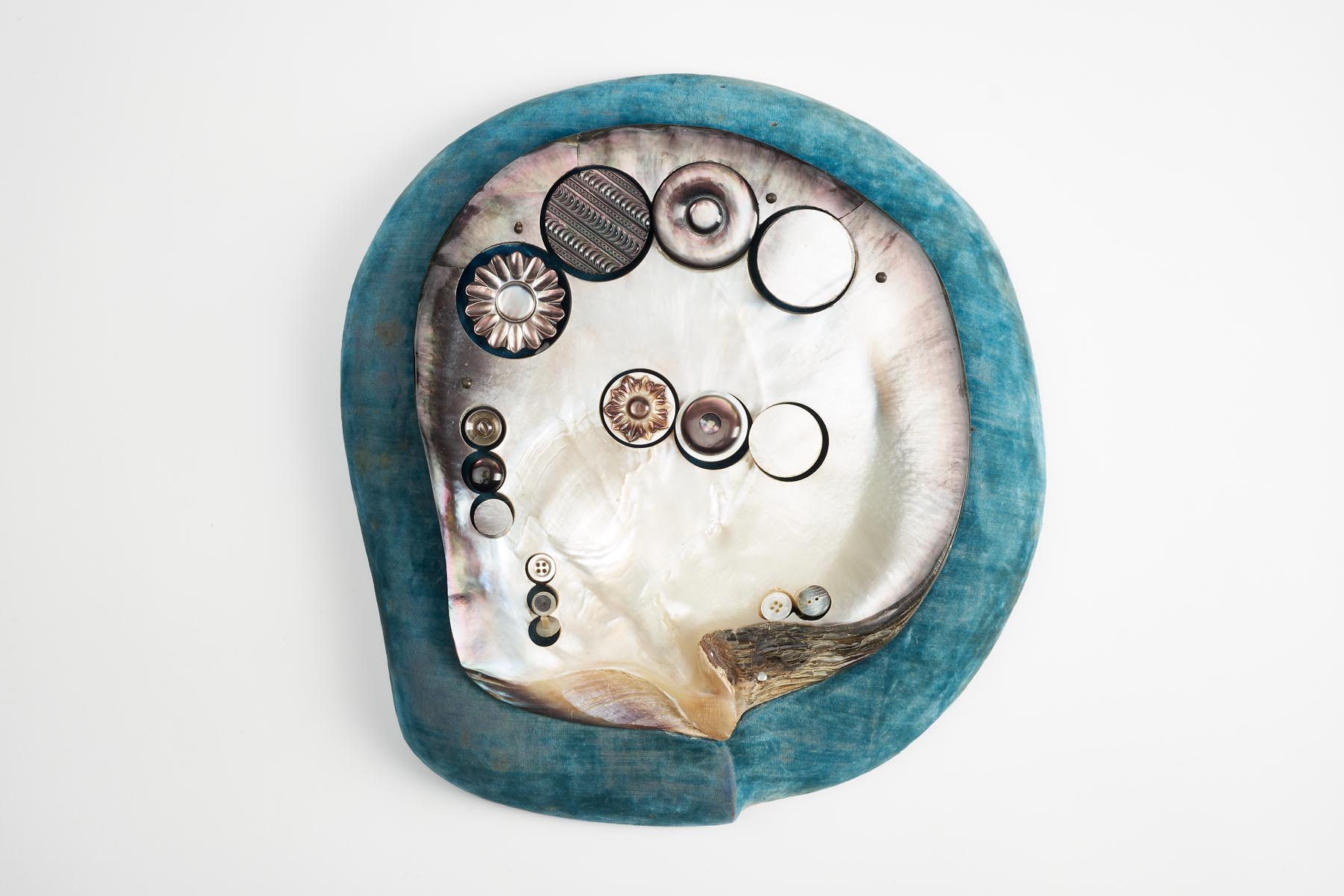
Picture: Pawns and buttons crafted from the gray mother-of-pearl of Pinctada margaritifera shell, produced in the Méru region, France, in the 20th century.
© Franck Boucourt
Shellcraft in Papua New Guinea: the role of local knowledge and marine invertebrates through a livelihood lens
Nittya S.M. Simard1
1School of Science, Technology and Engineering/Australian Centre for Pacific Island Research, University of the Sunshine Coast, Sippy Downs, QLD, Australia
Keywords: Shellcraft, Molluscs, Local ecological knowledge, Small-scale fisheries, Coastal livelihoods, Subsistence
Shellcraft is a livelihood activity that uses shells and skeletal remains of marine organisms for ornamental and decorative items. At the Nusa Islands of Papua New Guinea, shellcraft is rooted in cultural practice, increasingly commercialized, and is reliant on small-scale fisheries. Using an interview-based approach, we conducted shellcraft research with the artisan community of the Nusa Islands, representing over 50 artisans. Over the years, we evaluated the extent to which shellcraft occurred within the community and contributed to livelihoods, assessed the diversity of marine taxa used and consumed, investigated the relationship between mollusc consumption (subsistence) and shellcraft (income generation), and examined social-ecological factors of the fishery supporting shellcraft at the Nusa Islands. Notably, 73 taxa, representing at least 77 species, were used for shellcraft. Many of the taxa used had not previously been linked to shellcraft sectors in other parts of the world. The approach taken in this research can be adapted for monitoring shellcraft sectors more broadly. The local knowledge of marine species, habitats, local populations, biology, as well as the fishing and processing skills that artisans have were fundamental to gaining a better understanding of this economic activity that has been playing a role in social and, potentially, ecological transformations.
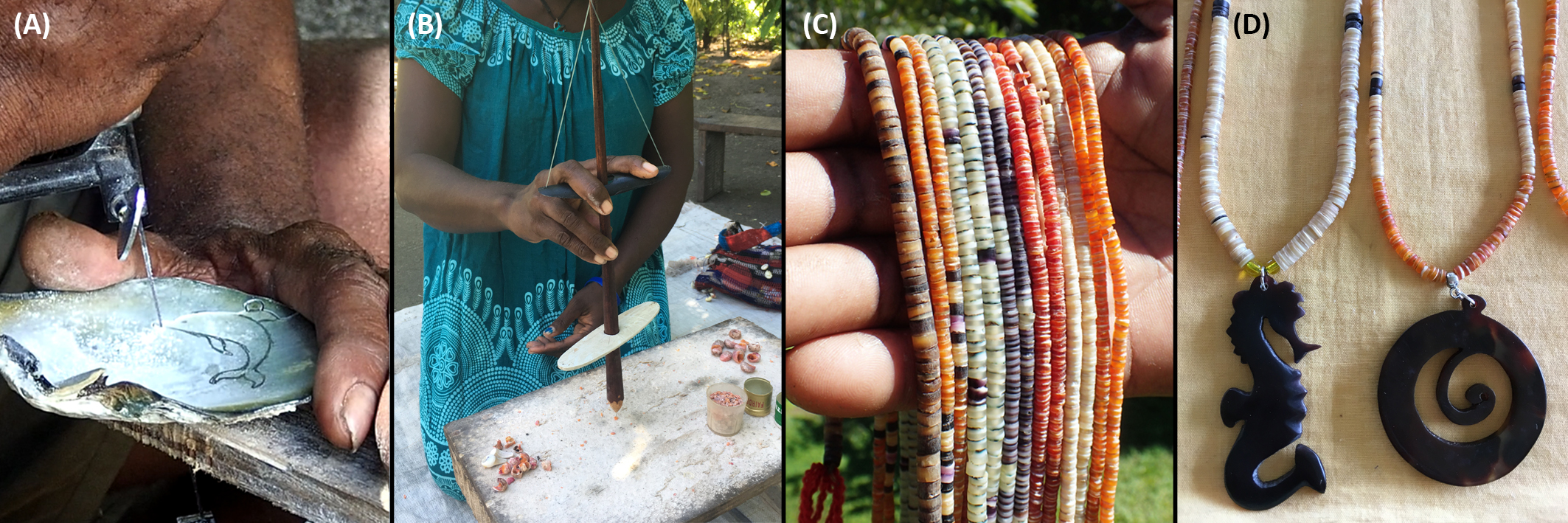
Picture: A) Hand cutting using contemporary saw for pendants. B) Traditional hand drilling technique and tool for shell beads. C) Strands of beads made from five different mollusc species, showcasing the variety of colours and difficulty in quantifying the number of individuals used. (D) Shellcrafts at a local market for which identifying the species and quantities used is exceedingly difficult.
© Nittya S.M. Simard
The enduring value of shells: symbolic currency in Solomon Islands
Janet Saeni-Oeta1, Jan van der Ploeg2
1 WorldFish, Solomon Islands.
2 Van Hall Larenstein University of Applied Sciences, Netherlands.
Keywords: shell money, culture, traditional currency, economic value, cultural value, culture, reciprocity, Pacific, craft production, food security, livelihoods, intergenerational knowledge, shells.
Traditional shell money in Malaita Province, Solomon Islands, holds enduring economic, social, and cultural value. Although increasingly integrated with the modern cash economy, shell money remains a core medium of exchange in major life-cycle events and communal transactions, including bride-price payments, funerals, conflict reconciliation, land-related negotiations, and ceremonial gifting. In this paper, we present on the shell money’s, or Tafuliae, worth. Extending beyond monetary function, shell money embodies lineage ties, social prestige, and historical continuity, serving as a tangible repository of identity for coastal communities such as the Lau people, in Northeast Malaita. The production process meticulous crafting of shell discs into graded strands transfers specialized knowledge across generations and sustains local livelihoods. As a symbolic currency, shell money reinforces obligations and reciprocity between families and between inland and coastal groups, helping maintain social cohesion. Despite economic changes, its value endures because it encodes relationships, authority, memory, and the moral economy that underpins Malaitan social life.
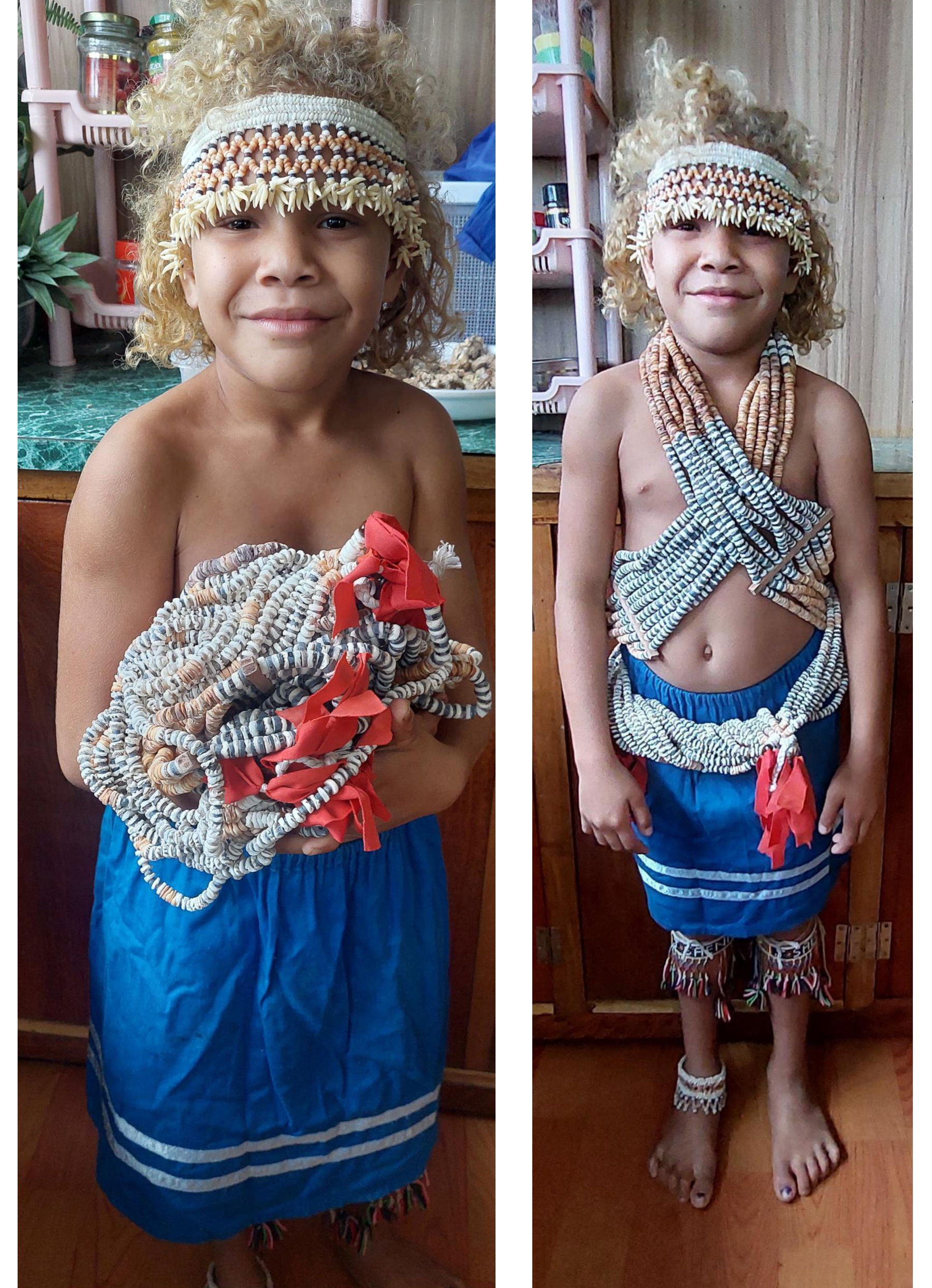
Picture: Seven-year-old Ms. Kim Theresa Sousou Oeta, from Ferafalu village in Northeast Malaita – Solomon Islands, holding the Tafuliae with her hands and wearing the Tafuliae around her neck and waist with other typical traditional bridal-wear-attire costumes (Solomon Islands 2025).
© Janet Saeni-Oeta
Mollusks and money: the role of shells in the development of monetary economies around the world
Mikael Fauvelle1
1Department of Archaeology and Ancient History, Lund University, Sweden.
Keywords: Shell beads; Political economy; Origins of money; Commodity money; Trade and Exchange
Shells are small and durable. By nature, they are also standardized in shape and form. In regions far from the coast they are also hard to acquire, and they are valued due to their ability to be incorporated into art or carved into jewelry. For millennia, these characteristics have made shells important trade commodities, with evidence of trade in shells dating to at least the Late Pleistocene. The fungibility, durability, transportability, and value of shells also make them perfect candidates for use as commodity currency. In many parts of the world and at many times throughout history, shells -either whole or carved into beads- were used as money. This paper will review the evidence for the use of shells as financial money in early East Asia and North America. I will argue that many parts of the world shells were the first money media ever used, meaning that mollusks and mollusk shells have played a critical role in human economic history.
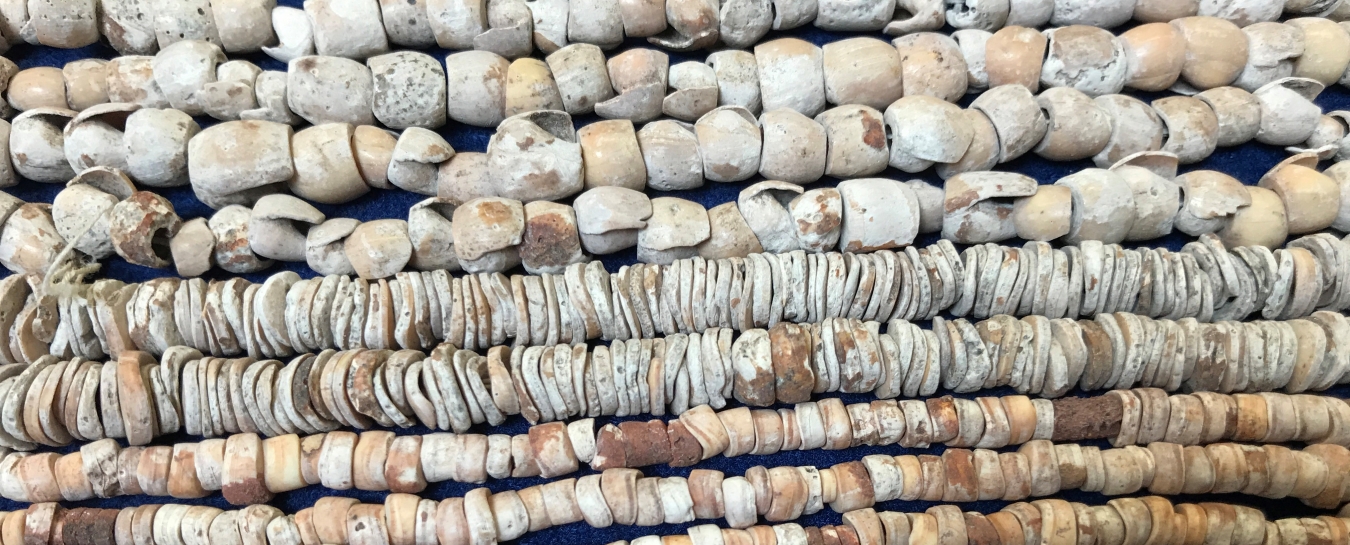
Picture: Shells and shell beads: a key part of the world’s economic history
© Brian Barbier


